Home Actress Dia Mirza HD Instagram Photos and Wallpapers June 2023 Dia Mirza Instagram - In 2015 I shot for a show called ‘Ganga The Soul Of India’, while travelling from the source of Ganga to Sea I witnessed the crisis of plastic pollution. Ravines of plastic littered in pristine natural spaces, plastics embedded in the banks of the river, plastics in villages, on highways and forests… it shook me. This is when I decided to refuse all #SingleUsePlastics and started carrying my own #TravelingBottle wherever I would go. Some years later the @unep launched the powerful campaign on #BeatPlasticPollution leading to wide spread awareness on the problem that plastic pollution and mismanagement of plastic was creating. 8 years since I made that choice much has happened. In 2022 UN Environment Assembly came up with a resolution on ending plastic pollution. In addition, over 100 countries have adopted legislation on plastic bags, and many have introduced rules on single-use plastics more generally. New regulations include bans on the use of specific products such as straws, packaging materials such as polystyrene, or production levels. Some countries have opted for taxes or waste-disposal fees on single-use plastics, introduced extended producer responsibility requirements, recycling targets, packaging requirements or bans on plastic waste imports. There is much to be done still. As the world produces more than 400 million tonnes of plastics every year, much of which is mismanaged after use, causing untold damage to the environment and societies. About 75 per cent of all plastic ever produced has become waste, and it may well continue to do so if measures to reduce, substitute, collect, recycle and sustainably dispose of plastics are not put in place worldwide. The rate of plastic waste being recycled back into the economy where plastic collection is effective is still very low – 15 per cent for plastics in short-lived products or 10 per cent for all plastics. These plastics can end up in rivers, which are likely the single biggest carrier of plastic pollution to the ocean. Hope you will refuse all #SingleUsePlastics and become a part of the movement to #BeatPlasticPollution 💚🙌🏼🌏 #SDGs #ForPeopleForPlanet #ForNature

Dia Mirza Instagram – In 2015 I shot for a show called ‘Ganga The Soul Of India’, while travelling from the source of Ganga to Sea I witnessed the crisis of plastic pollution. Ravines of plastic littered in pristine natural spaces, plastics embedded in the banks of the river, plastics in villages, on highways and forests… it shook me. This is when I decided to refuse all #SingleUsePlastics and started carrying my own #TravelingBottle wherever I would go. Some years later the @unep launched the powerful campaign on #BeatPlasticPollution leading to wide spread awareness on the problem that plastic pollution and mismanagement of plastic was creating. 8 years since I made that choice much has happened. In 2022 UN Environment Assembly came up with a resolution on ending plastic pollution. In addition, over 100 countries have adopted legislation on plastic bags, and many have introduced rules on single-use plastics more generally. New regulations include bans on the use of specific products such as straws, packaging materials such as polystyrene, or production levels. Some countries have opted for taxes or waste-disposal fees on single-use plastics, introduced extended producer responsibility requirements, recycling targets, packaging requirements or bans on plastic waste imports. There is much to be done still. As the world produces more than 400 million tonnes of plastics every year, much of which is mismanaged after use, causing untold damage to the environment and societies. About 75 per cent of all plastic ever produced has become waste, and it may well continue to do so if measures to reduce, substitute, collect, recycle and sustainably dispose of plastics are not put in place worldwide. The rate of plastic waste being recycled back into the economy where plastic collection is effective is still very low – 15 per cent for plastics in short-lived products or 10 per cent for all plastics. These plastics can end up in rivers, which are likely the single biggest carrier of plastic pollution to the ocean. Hope you will refuse all #SingleUsePlastics and become a part of the movement to #BeatPlasticPollution 💚🙌🏼🌏 #SDGs #ForPeopleForPlanet #ForNature

Dia Mirza Instagram - In 2015 I shot for a show called ‘Ganga The Soul Of India’, while travelling from the source of Ganga to Sea I witnessed the crisis of plastic pollution. Ravines of plastic littered in pristine natural spaces, plastics embedded in the banks of the river, plastics in villages, on highways and forests… it shook me. This is when I decided to refuse all #SingleUsePlastics and started carrying my own #TravelingBottle wherever I would go. Some years later the @unep launched the powerful campaign on #BeatPlasticPollution leading to wide spread awareness on the problem that plastic pollution and mismanagement of plastic was creating. 8 years since I made that choice much has happened. In 2022 UN Environment Assembly came up with a resolution on ending plastic pollution. In addition, over 100 countries have adopted legislation on plastic bags, and many have introduced rules on single-use plastics more generally. New regulations include bans on the use of specific products such as straws, packaging materials such as polystyrene, or production levels. Some countries have opted for taxes or waste-disposal fees on single-use plastics, introduced extended producer responsibility requirements, recycling targets, packaging requirements or bans on plastic waste imports. There is much to be done still. As the world produces more than 400 million tonnes of plastics every year, much of which is mismanaged after use, causing untold damage to the environment and societies. About 75 per cent of all plastic ever produced has become waste, and it may well continue to do so if measures to reduce, substitute, collect, recycle and sustainably dispose of plastics are not put in place worldwide. The rate of plastic waste being recycled back into the economy where plastic collection is effective is still very low – 15 per cent for plastics in short-lived products or 10 per cent for all plastics. These plastics can end up in rivers, which are likely the single biggest carrier of plastic pollution to the ocean. Hope you will refuse all #SingleUsePlastics and become a part of the movement to #BeatPlasticPollution 💚🙌🏼🌏 #SDGs #ForPeopleForPlanet #ForNature

Dia Mirza Instagram – In 2015 I shot for a show called ‘Ganga The Soul Of India’, while travelling from the source of Ganga to Sea I witnessed the crisis of plastic pollution. Ravines of plastic littered in pristine natural spaces, plastics embedded in the banks of the river, plastics in villages, on highways and forests… it shook me.

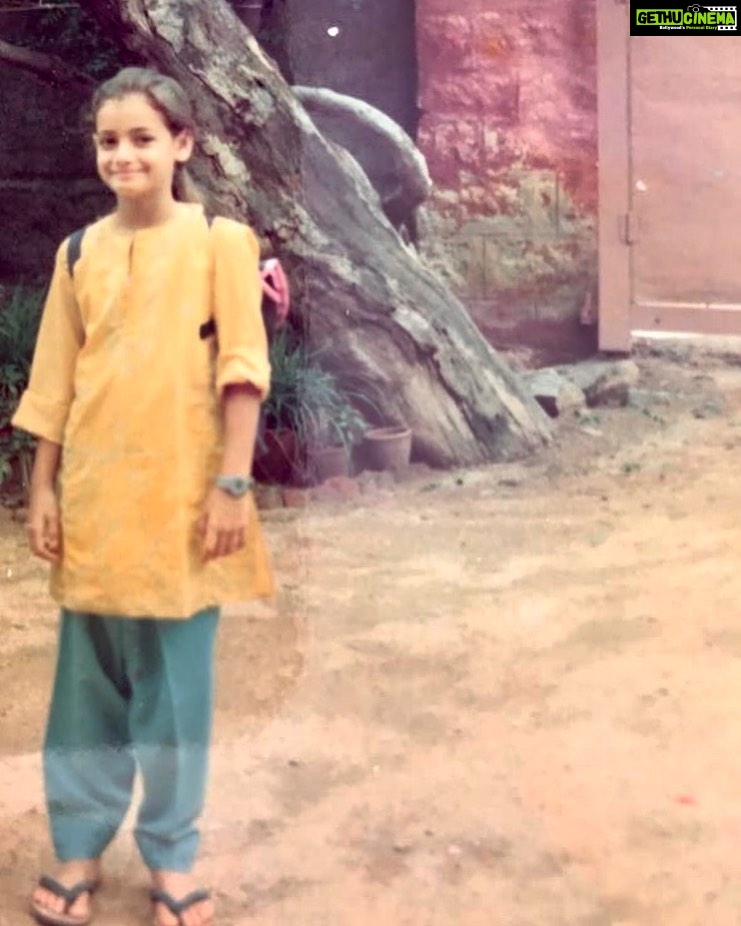
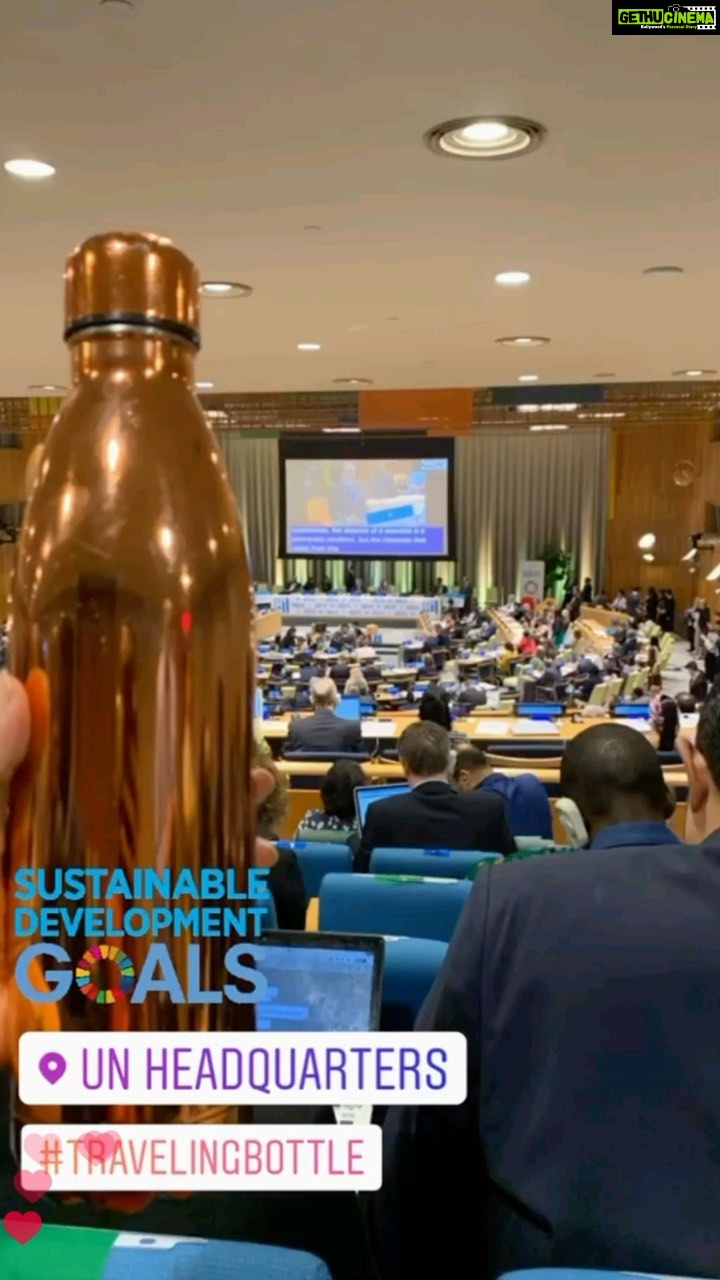
This is when I decided to refuse all #SingleUsePlastics and started carrying my own #TravelingBottle wherever I would go.

Some years later the @unep launched the powerful campaign on #BeatPlasticPollution leading to wide spread awareness on the problem that plastic pollution and mismanagement of plastic was creating.

8 years since I made that choice much has happened. In 2022 UN Environment Assembly came up with a resolution on ending plastic pollution. In addition, over 100 countries have adopted legislation on plastic bags, and many have introduced rules on single-use plastics more generally. New regulations include bans on the use of specific products such as straws, packaging materials such as polystyrene, or production levels. Some countries have opted for taxes or waste-disposal fees on single-use plastics, introduced extended producer responsibility requirements, recycling targets, packaging requirements or bans on plastic waste imports.

There is much to be done still. As the world produces more than 400 million tonnes of plastics every year, much of which is mismanaged after use, causing untold damage to the environment and societies.

About 75 per cent of all plastic ever produced has become waste, and it may well continue to do so if measures to reduce, substitute, collect, recycle and sustainably dispose of plastics are not put in place worldwide. The rate of plastic waste being recycled back into the economy where plastic collection is effective is still very low – 15 per cent for plastics in short-lived products or 10 per cent for all plastics. These plastics can end up in rivers, which are likely the single biggest carrier of plastic pollution to the ocean.

Hope you will refuse all #SingleUsePlastics and become a part of the movement to #BeatPlasticPollution 💚🙌🏼🌏 #SDGs #ForPeopleForPlanet #ForNature | Posted on 26/May/2023 11:14:19


Dia Mirza Instagram – Attended a #IIFAAwards2023 @iifa press call  to talk about the need to #BeatPlasticPollution and the opportunity to highlight the #SustainableDevelopmentGoals. Thank you to members of the press for giving us your time and attention 🙏🏻💚

Thank you @shombi.sharp for doing this with me 🙏🏻 Thank you @iifa for using your platform to help make a difference 🙌🏼

Outfit @ilovepero 
Shoes @melissashoesindia @sallyruchi 
HMU @shraddhamishra8 
Styled by @theiatekchandaney 

#TravelingBottle #SDGs #ForPeopleForPlanet #ForNature 

@uninindia @unep @unsdgadvocates 

@timmins.andre @virafsarkari @sabbas_joseph Yas Island
Dia Mirza Instagram – Ah! The wonder in their eyes 😍🐯

@bittusahgal you have always had my heart. Now you have his 🤗🙏🏻 

@sanctuaryasia 🌳🦋🐯🐘💚🌏 #EachOneTeachOne #KidsForTigers Mumbai, Maharashtra

Check out the latest gallery of Dia Mirza